|
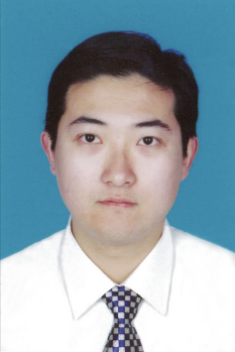
Prof.Jian-Qiu Chen is engaging in the research of cleaner production of pharmaceutical processes and environmental protection in pharmaceutical engineering. His current research focuses on biomass waste carbon utilization based on the concept of value-added regeneration of resources and energy, including pharmaceutical wastewater treatment and resource utilization of residues after natural plant extraction. Currently, he is a member of the Chinese Chemical Society, a member of the sixth council of the Jiangsu Environmental Mutagen Society, a member of the New Pollutants Special Committee, a member of the Jiangsu New Pollutants Treatment Expert Committee, a member of the national membrane and water treatment industry expert database. As the first or corresponding author, he have published over 100 SCI papers, obtained over 20 authorized patents, won one third prize in the National Business Science and Technology Progress Award, and received over 30 education and teaching awards. Research Interests: Control of environmental pollution in the pharmaceutical industry, migration and transformation mechanisms of PPCPs pollutants in natural water bodies and soil, composite degradation mechanisms of polluted organic compounds, development of salt alkali resistant traditional Chinese medicine resources and utilization of by-products 1、Selective hydrolysis of traditional Chinese medicine residue into reducing sugars catalysed by sulfonated carbon catalyst and application of hydrolysate. Chemical Engineering Journal 497 (2024) 154586. 2、Ecological risks of high-ammonia environment with inhibited growth of Daphnia magna: Disturbed energy metabolism and oxidative stress. Science of the Total Environment 948 (2024) 174959. 3、Resource utilization of chemical excess sludge to produce metal–organic framework with outstanding Fenton-like performance for sulfamethoxazole removal. Chemical Engineering Journal 496 (2024) 154140. 4、Biomass derived sulfonated carbon catalysts:efficient catalysts for green chemistry. Green Chem., 2024, 26, 6361. 5、Supramolecular Interaction Modulation in Thermosensitive Composites: Enantiomeric Recognition and Chiral Site Regeneration. Anal. Chem. 2024, 96, 5580−5588 6、Decipher the key role of ketone toward singlet oxygen evolution in Fenton-like process for water decontamination. Applied Catalysis B: Environmental 339 (2023) 123100 1. Synthesize characteristic labeled compounds, such as sulfonamide antibiotics, BPA, BPS, BPF, BDE47, and two metabolites, investigate their environmental fate, processes, and health risks in soil, water, and food chains, as well as study the removal mechanism of pollutants using biological metabolism mechanisms, and fractionate products using functional membrane separation technology; 2. Use composite microbial technology combined with advanced oxidation and membrane separation and other physicochemical technologies to treat highly toxic, high-salt, and difficult-to-degrade petrochemical and pharmaceutical wastewater. Hosted and participated in over 40 projects, including the National Natural Science Foundation of China, the Key Research and Development Sub Project of the Ministry of Science and Technology of China, the Public Welfare Fund of the Ministry of Environmental Protection, the Natural Science Foundation of Jiangsu Province, and the Key Laboratory Fund for Environmental Engineering of Jiangsu Province. As the first or corresponding author, have published over 100 SCI papers, obtained over 20 authorized patents, received one provincial-level scientific and technological achievement appraisal, and won one third prize for national commercial scientific and technological progress. pharmaceutical analysis techniques and methods ISBN:9787506744096 |

- Home
- Colleges and schools
- School of Pharmacy
- School of Traditional Chinese Pharmacy
- School of Life Science and Technology
- School of International Pharmaceutical Business
- School of Science
- School of Engineering
- School of Basic Medicine and Clinical Pharmacy
- Institute of Pharmaceutical Sciences
- State Key Laboratory of Natural Medicines
- School of Biopharmacy
- Mudi Meng Honors College
- School of Modern Pharmaceutical Industry
- School of Foreign Languages
- School of Marxism
- Department of Physical Education
- School of Continuing Education
- School of International Education
- Subject list
- Biochemistry
- Biostatitics
- Biopharmaceutics
- Data Science
- Mathematics and Physics
- Medicinal Chemistry
- Microbiology & Synthetic Biology
- Molecular and Cellular Biology
- Pharmaceutics
- pharmacognosy
- Pharmaceutical Analysis
- Pharmacology
- pharmaceutical engineering
- pharmaceutical bioinformatics
- Pharmaceutics and Environmental Engineering
- Food Nutrition and Safety
- Biomedical Engineering and Pharmacodiagnosis
- English
- Pharmaceutical English
- Pharmacokinetics
- Outstanding talents
