|
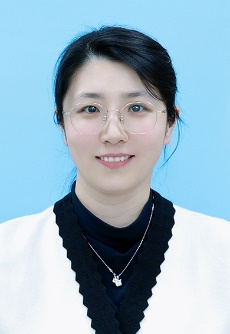
Xinzhi Wang hosts two National Natural Science Foundation of China (NSFC) projects. As a key researcher, she has participated in the NSFC’s major international collaborative research projects and the 13th Five-Year Plan for the creation and manufacture of new drugs, etc. She is a member of the editorial board of Scientific reports, editor-in-chief of a special issue of Frontiers in Immunology, and has published more than 20 SCI papers as first author or corresponding author, including Archives of Toxicology, Cell Biology & Toxicology, Chemical Research in Toxicology, Acta Pharmacologica Sinica, etc. 1. Mei Yuan#, Li Xinyu#, He Chao#, Zhang Yiying, Kong Weichao, Xue Rufeng, Huang Xin, Shi Yaxiang Shi, Tao Gang*, Xing Mengtao*, Wang Xinzhi*. Detrimental role of CXCR3 in α-naphthylisothiocyanate- and triptolide-induced cholestatic liver injury. Chemical Research in Toxicology, 2024; 37(1): 42-56. 2. Konng Weichao#, Li Xinyu#, Zou Mengzhi#, Zhang Yiying, Cai Heng, Zhang Luyong*, Wang Xinzhi*. iNKT17 cell plays a pathogenic role in ethinylestradiol-induced cholestatic hepatotoxicity. Archives of Toxicology, 2023; 97(2):561-580. 3. Chen Xin#, Yu Zixun#, Nong Cheng#, Xue Rufeng, Zhang Mingxuan, Zhang Yiying, Sun Lixin, Zhang Luyong*, Wang Xinzhi*. Activation of cDCs and iNKT cells involves in triptolide-induced hepatotoxicity via STING signaling pathway and endoplasmic reticulum stress. Cell Biology and Toxicology, 2023; 39(4):1753-1772. Discovery of new targets and therapies of drug-induced liver injury based on the function regulation of NKT cells. |

- Home
- Colleges and schools
- School of Pharmacy
- School of Traditional Chinese Pharmacy
- School of Life Science and Technology
- School of International Pharmaceutical Business
- School of Science
- School of Engineering
- School of Basic Medicine and Clinical Pharmacy
- Institute of Pharmaceutical Sciences
- State Key Laboratory of Natural Medicines
- School of Biopharmacy
- Mudi Meng Honors College
- School of Modern Pharmaceutical Industry
- School of Foreign Languages
- School of Marxism
- Department of Physical Education
- School of Continuing Education
- School of International Education
- Subject list
- Biochemistry
- Biostatitics
- Biopharmaceutics
- Data Science
- Mathematics and Physics
- Medicinal Chemistry
- Microbiology & Synthetic Biology
- Molecular and Cellular Biology
- Pharmaceutics
- pharmacognosy
- Pharmaceutical Analysis
- Pharmacology
- pharmaceutical engineering
- pharmaceutical bioinformatics
- Pharmaceutics and Environmental Engineering
- Food Nutrition and Safety
- Biomedical Engineering and Pharmacodiagnosis
- English
- Pharmaceutical English
- Pharmacokinetics
- Outstanding talents
